To land a U.S. remote job from Nigeria, do your research to find opportunities that are the best match for your skills and experience.
Check Job Sites Targeting Remote Work
Sites like Remote.com, Remote.co, and FlexJobs specialize in work-from-anywhere positions. Browse their listings for jobs you’re qualified for that allow remote work from Nigeria. Create a profile, upload your CV, and set alerts for new jobs that meet your criteria.
Search Company Websites
Many major companies hire remote employees, so explore the careers sections of websites for businesses you’re interested in. Look for phrases like “work from home,” “remote work,” or “virtual work.” Some reputable companies known for remote work include Dell, IBM, Kelly Services, and Red Hat.
Use Your Professional Network
Don’t forget to tap into your professional network. Post on LinkedIn that you’re seeking remote work opportunities in the U.S. from Nigeria. Reach out to former colleagues in the U.S. and ask if their companies hire remote workers from abroad. You never know who may know of an unadvertised opening that could be a great match.
Consider Freelancing to Gain Experience
If you’re having trouble finding a full-time remote position, consider freelancing to gain valuable experience. Websites like Upwork, Fiverr, and 99Designs make it easy to find freelance work you can do remotely. Build up your experience, reviews, and U.S. clients. Then you’ll have a proven track record of remote work success to show future employers.
With determination and the right search strategies, you can land rewarding U.S. remote work from Nigeria. Just keep polishing your skills, stay up-to-date with job sites, and don’t get discouraged. The perfect opportunity for you is out there!
Optimize Your Resume and Cover Letter for U.S. Employers
To land a job in the U.S. from Nigeria, you need to optimize your application for American employers. That starts with your resume and cover letter.
Focus on relevant experience. Highlight any experience that directly relates to the position. While cultural experiences are valuable, employers are most interested in your actual work experience and skills. Keep descriptions concise, around 2 to 3 short sentences or bullet points per role.
Emphasize transferable skills. Soft skills like communication, critical thinking, and problem-solving are useful across jobs and cultures. Give examples of how you’ve applied these skills. For hard skills, show how you can apply what you know to the new position.
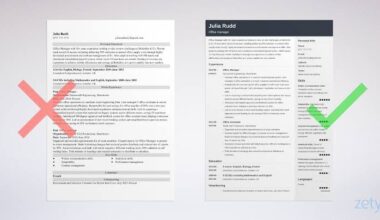
Pay attention to formatting. U.S. resumes are concise, around 1 page. Use clear section headings for “Experience”, “Education”, and “Skills”. List your work experience in reverse chronological order. For education, include degrees earned and institutions attended.
In your cover letter, do your research. Mention the specific position and company by name. Explain why you’re interested in the work they do and company culture. Share one or two relevant experiences that demonstrate how you are a great fit for the role. Express your enthusiasm for building your career in the U.S.
Getting hired from another country isn’t easy, but with a focused application, you can land an opportunity. Do your best to understand what employers are looking for. Then, highlight how your experiences, education, skills, and motivation make you a strong candidate for the job. With the right match, you’ll be on your way to achieving your goal of working in America!
Leverage Your Network to Connect With U.S. Companies
Your network is one of the most valuable resources for finding job opportunities in the U.S. Many jobs are filled through employee referrals before they are even posted publicly. Tap into your connections to uncover hidden jobs and get personal introductions to key decision-makers.
1. Reach out to former colleagues
If you’ve worked for a U.S. company before, get in touch with your former managers and co-workers. Let them know you’re on the job market again and would appreciate them keeping an eye out for any suitable openings. They may know of unadvertised roles that could be a great fit based on your experience. Don’t be afraid to ask for an introduction to the hiring manager as an internal referral can go a long way.
2. Connect with your college alumni network
Your university likely has an alumni association that can connect you with fellow graduates now working in the U.S. Reach out to alumni in your industry to learn more about their companies and roles. Express your interest in working for their organization. Many companies have employee referral programs that provide incentives for recommending a new hire. Alumni are often eager to help recent graduates from their alma mater.
3. Join relevant LinkedIn groups
LinkedIn groups are a great way to connect with professionals in your target industry or location. Look for active groups related to your field and join the discussion. Share insights and experiences, comment on other posts, and build your credibility. As you become a familiar face in the group, let members know you’re on the job market and looking to connect with companies in the U.S. Someone may know of opportunities or be willing to refer you to their HR department.
4. Attend industry events and conferences
Network in person at conferences, trade shows, and other events related to your area of expertise. Strike up conversations, exchange business cards, and follow up to express your interest in the U.S. job market. Look for events where U.S. companies will have a presence as this gives you a chance to connect with representatives and hiring managers. Let them know you’re planning to relocate and are eager to bring your skills to their organization.
READ ALSO- USSD Codes to Get Quick Online Loans in Nigeria
Conclusion
With determination and persistence, leveraging your network can lead to introductions, referrals, and new career opportunities in America. Don’t underestimate the power of personal connections—they may just help you land your dream job in the U.S.!
Tags:
- jobs